AI TOOL / #05271
Layerup
A generative artificial intelligence platform designed for insurance brokers, aimed at automating tasks and enhancing productivity.
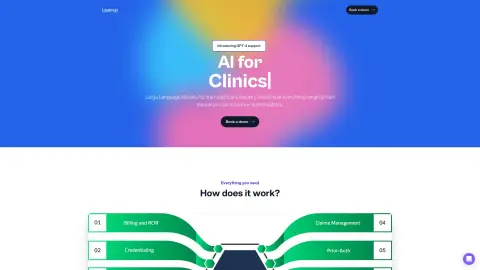
Introduction
Generative AI platform for insurance brokers to automate tasks and boost productivity.
What is Layerup?
Layerup is a generative artificial intelligence platform designed specifically for forward-thinking insurance brokers. It automates repetitive tasks, enabling brokers to increase their productivity by a factor of five and thus helping them expand their business operations. Layerup acts as a “data scientist” on behalf of its users, allowing them to ask follow-up questions without the need to understand SQL or engage in extensive communication within their teams.
How to use Layerup?
When unstructured documents are uploaded, Layerup’s artificial intelligence will generate customized documents (such as insurance policies, quotes, loss reports, COIs, etc.) within just a few seconds. These documents can be exported in spreadsheet or presentation format for customers to use. They can also be integrated with existing applications to automate various work processes.
The core functions of Layerup
Automated document generation
Automated data entry and extraction
Automation and integration of work processes
Data analysis based on artificial intelligence
Automated data entry and extraction
Automation and integration of work processes
Data analysis based on artificial intelligence
Related
Julius AI – Analyze Google Sheets with ChatGPT
An artificial intelligence data analysis tool designed for use with Google Sheets.
Onvo AI
Onvo AI: An AI-powered platform for building and embedding dashboards and reports.
Chat2CSV
A data visualization platform that converts CSV data into charts through natural language processing.
Planist.ai
AI-powered platforms are used for content strategy and planning.
Shortwave
An AI-powered email client that enhances work efficiency and simplifies communication.
Clockwise: AI Calendar & Scheduling Assistant
Productivity tools powered by artificial intelligence help optimize schedules, allowing users to spend more time on focused tasks.